The Role of Digital Twins in Smart City Planning
Digital twin cities is an innovative technology that is currently changing approaches to urban development and transforming urban planning. Learn how 3D digital twins address real-world issues, what benefits they provide, and what the future holds for urban digital twin technology.
What is an Urban Digital Twin?
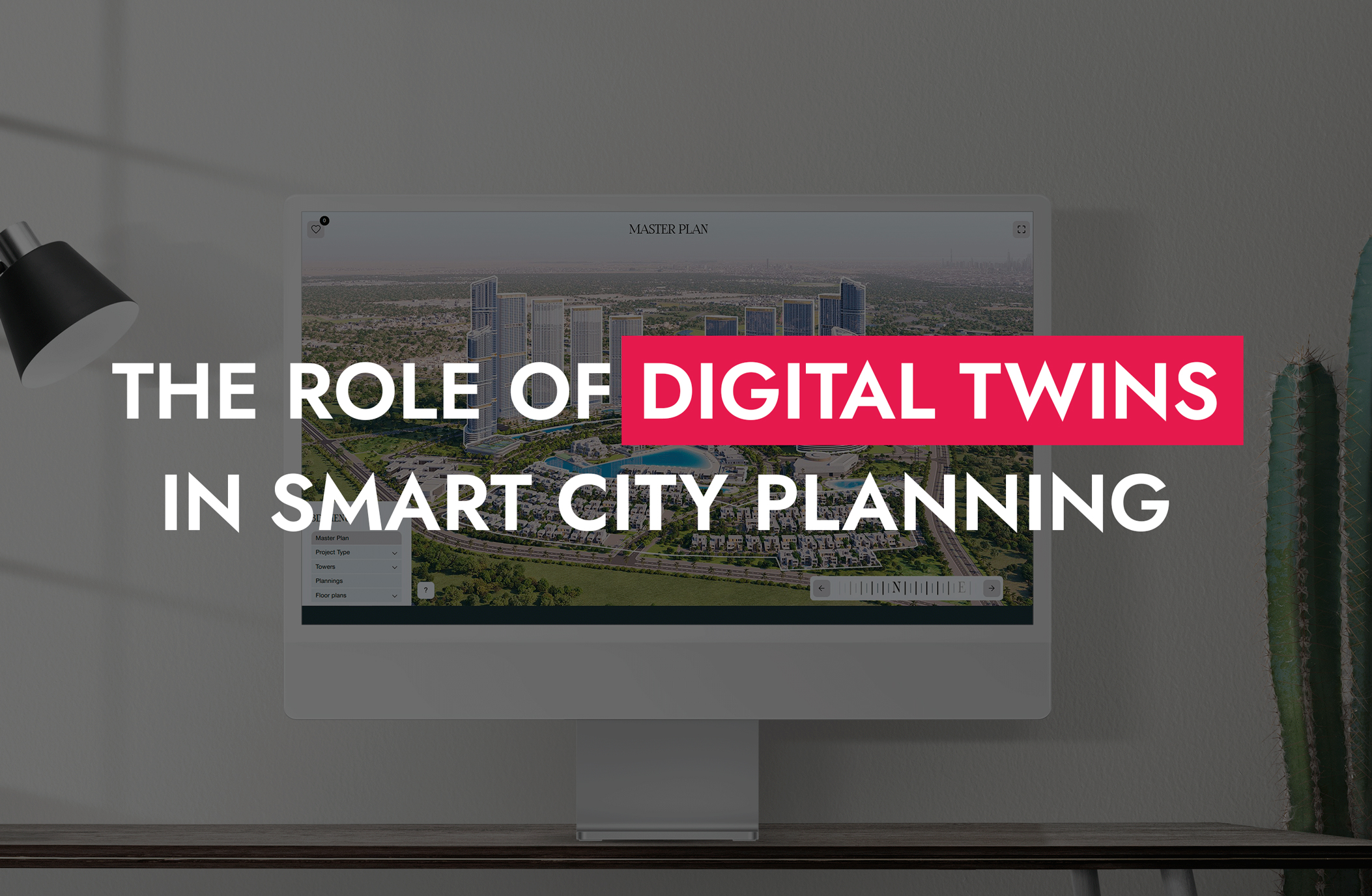
An urban digital twin is an accurate digital replica of a real urban environment, synchronised with the physical asset via IoT devices and sensors. This enables real-time data collection and exchange, providing unprecedented insights and actionable information.
Digital twin cities technology includes three layers, which are worth mentioning to better understand how it works.
- Digital City. This layer provides the foundation for creating a virtual city model.
- Connected City. The second layer is synchronisation, namely real-time monitoring and control via connected devices.
- Intelligent City. This layer centralises data and includes integration with tools for processing and analytics, such as AI, simulations, forecasting, etc.
The value of this technology lies not only in its ability to digitally reproduce the physical city, integrate real-time data, and model scenarios, but also in the fact that it serves as a foundation for the digital transformation of the city and informed decision-making in urban planning and development.
Key Benefits of Digital Twins in Smart City Development
The role of digital twins is growing, and the reason is that 3D city models connected to real objects significantly expand opportunities in city development, urban infrastructure efficiency, and service delivery.
1. Improved Decision-Making
Digital twin solutions provide real-time data analytics, enabling the monitoring, identification, and resolution of issues. Furthermore, by analysing energy use and traffic flow, these solutions can recommend different routes in traffic congestion.
By integrating AI, city data can be used for predictive maintenance, scheduling repairs and sending alerts when anomalies occur.
All this improves the quality of decision-making through data analytics from multiple sources.
2. Increased Performance and Maintenance
Digital twins provide a real-time virtual model of city infrastructure, allowing for performance issues to be identified before they arise (for example, the system can send an alert if a water pipeline starts leaking).
Also, digital twins in smart cities are an effective way to minimise downtime and service interruptions, as the technology enables early resolution of potential failures. This ensures the stable performance of facilities and infrastructure and enables maintenance planning.
3. Cost Savings
Through a proactive approach and effective resource management, enabled by digital twins and their simulation and forecast capabilities, city departments can reduce costs. This ensures real-time monitoring and adjustment of energy usage, as well as reduced operating expenses by eliminating unplanned infrastructure breakdowns and regular predictive maintenance.
4. Enhanced Service Delivery
Digital cities solutions provide an all-encompassing, real-time perspective of all governmental activities. This leads to smart infrastructure management that covers various aspects, including transportation, roads, utilities, waste, and other services.
With real-time data and predictive analytics capabilities, digital twins allow cities to improve their adaptability and enhance customer service delivery.
5. Sustainability
Optimisation of energy and water consumption, a real-time perspective on municipal activities, and continuous monitoring, as well as the ability to simulate various scenarios, all make digital twins truly valuable in sustainable urban development. The technology enables ecological resource management and is an excellent way to make urban landscapes cleaner and healthier.
How Digital Twins Are Used in Smart City Planning and Operations
Digital twins in smart city planning and city operations are increasingly being used, serving as an effective tool for solving various tasks and streamlining processes.
Digital Twins in Traffic Planning
Traffic planning is among the best uses of digital twins for smart cities. The technology enables traffic modelling, taking into account multiple data points, such as:
- Number of available parking spaces
- Paid parking revenue for the city
- Number of parking spaces in each building
- Expected number of trips
This leads to more effective planning, as city management can estimate and predict traffic volumes and model various scenarios.
Furthermore, integration with multiple sources allows, for example, for real-time and historical data on traffic accidents, making it easier to identify dangerous sections of roads and intersections and test various safety improvement solutions.
Energy Reduction
By collecting data directly from physical assets, digital twins enable energy consumption modelling and identify potential areas for improvement. The system can conduct automated building energy tests to suggest potential changes or upgrades to reduce costs without compromising quality of life.
Using Digital Twins to Improve Processes
Integration with IoT sensors enables the precise identification of infrastructure requiring repair or replacement at every level, including:
- Surface
- Buried Electric
- Water
- Sewer
- Gas
This allows technical work to be planned so that it is carried out simultaneously rather than in parts, which increases the efficiency of the processes.
Disaster Mitigation
The advanced simulation capabilities offered by this technology perfectly unlock the potential of urban digital twins. By synchronising with a wide range of devices and sensors, as well as collecting and processing data in real time, planners gain valuable insights into the city’s functioning, particularly in relation to disasters. This enables them to test a wide range of scenarios to assess how prepared the city’s infrastructure is for such events and what can be done to improve its security and build robust response plans to incidents.
Initial Steps Required to Implement an Urban Digital Twin
Developing digital twins is built on three core factors: data, connectivity, platforms, engines, and dashboards.
Data
The effectiveness of digital twins directly depends on data sources and integrations. Smart city solutions receive data from Internet of Things (IoT) sensors (which monitor various aspects such as air quality, temperature, humidity, noise levels, traffic flow, parking occupancy, trash bin levels, etc.). Therefore, the first step is investing in devices and sensors. Then, geospatial data and operating system data allow for greater context. Finally, the integration of historical data further enhances the accuracy of analysis and forecasting.
Connectivity
The next aspect is connectivity. Reliable communication networks and fibre optic cables are critical to ensuring low-latency transmission of real-time data from sensors and stable performance, as this directly impacts system efficiency and accuracy.
Platform
Platform development must consider scalability needs and the implementation of robust security measures. Since a digital twin platform collects and stores vast amounts of data and integrates with various systems and infrastructure, it’s essential to mitigate the risk of data breaches and implement solutions for seamless integration and unification of data in various formats. Additionally, the platform must be powerful enough to handle real-time data feeds and integrate with disparate data sources.
Simulation Engine
The value of twin technology lies largely in the use of digital models to conduct realistic simulations. This way, custom software and the necessary computational power for modelling are required to integrate incoming data, run complex simulations, perform analytics, and provide data-driven insights and forecasts.
Feeds
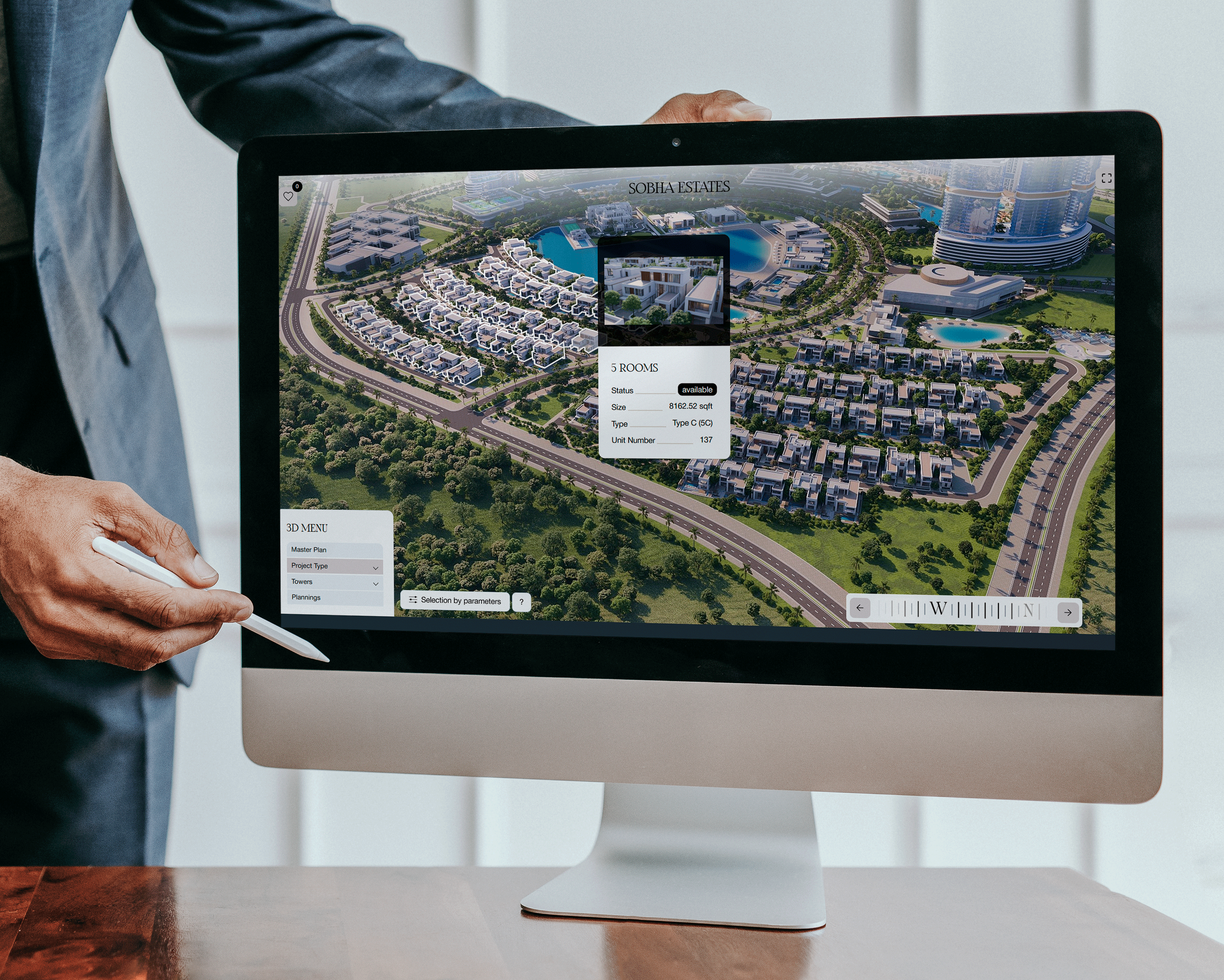
Feeds must have an intuitive and user-friendly design, as not only technical specialists but also officials, planners, managers, stakeholders, and others interact with the digital twin. Therefore, visualisation in the form of interactive 3D models, dynamic dashboards, and sometimes augmented reality or virtual reality is essential for clearly visualising data, exploring scenarios, and providing actionable insights into urban dynamics.
Challenges of Implementing Digital Twin Technology in Smart Cities
The development and implementation of an urban digital twin is a complex and multilayered process that faces some challenges that must be considered:
- High Initial Cost. Implementing a digital twin requires investment in sensors, software development, staff training, and a robust infrastructure, as well as ongoing costs for management, updates, and system maintenance, making the technology expensive.
- Data Integration. The large volume of data from multiple sources and formats, as well as the need to store and process it, is one of the main challenges. Implementing digital twin solutions requires a thorough approach and technical expertise to ensure seamless integration and interoperability of these diverse data sources.
- Scalability. Digital twin cities are complex projects, and as new devices and data are integrated, it’s crucial to ensure scalability needs, which present a significant technical and logistical challenge due to the ever-increasing complexity and volume of data.
- Data Quality & Security. The accuracy of digital twins depends on the quality of the data they receive. Protecting this data from leaks is also crucial. This is a challenge, as implementing the technology requires data accuracy, robust cybersecurity measures, and addressing privacy concerns.
- Governance & Stakeholder Collaboration. Governing an urban digital twin is largely about clear ownership, roles, and responsibilities, as well as collaboration among various city departments, vendors, stakeholders, and utility providers, which can be challenging due to the involvement of multiple parties, each interacting with the same model.
Real-World Examples of Digital Twin Cities Today
Digital twin cities are already a reality, transforming processes and delivering benefits. Let’s look at how different cities in the world are currently using digital twin solutions for their needs:
1. Singapore: The Powerhouse of Virtual Planning
Singapore uses a 3D digital twin of the entire city, called Virtual Singapore. This dynamic, data-driven platform integrates real-time sensor data and enables policymakers and city planners to take advantage of advanced capabilities in analytics, simulation, and planning processes.
Virtual Singapore use cases include:
- Disaster Management. The digital twin enables authorities to prepare in advance and respond to natural disasters promptly by leveraging extensive data and understanding the current state of infrastructure. This reduces financial losses.
- Real-time Simulations. The technology allows for the prediction of potential scenarios and testing of solutions before their implementation in the real world.
- Environmental Monitoring. Virtual Singapore provides insights through continuous monitoring, helping prioritise sustainability and reduce carbon emissions.
2. Helsinki: Sustainability Through Virtual Models
Helsinki’s digital twin is a virtual version of the city, focused on sustainability and urban planning initiatives. The technology is used for:
- Air Quality Monitoring. The city monitors pollution levels and assesses the air quality in various neighbourhoods to ensure better living conditions.
- Energy Optimisation. Using the digital twin, planners test and implement methods to minimise waste and optimise energy usage.
- Citizen Engagement. Residents can interact with the digital twin, studying city projects and offering ideas.
3. Shanghai: Smart City Transformation
As one of the largest megacities, Shanghai uses its digital twin for a variety of tasks, including data-driven decisions and scenario simulations. The main areas of interest for the Shanghai digital twin are:
- Traffic Management. With over 25 million residents, real-time monitoring and predictive analytics enabled by digital twin technologies are particularly valuable for optimising traffic and increasing the efficiency of public transportation, preventing congestion.
- Energy Optimisation. Sensors continuously monitor energy consumption, and the digital twin system enables modification of energy use across sectors.
- Disaster Management. The digital twin enables risk mitigation and the development of effective response plans by simulating natural disaster scenarios.
- Infrastructure Planning. Many projects in Shanghai are first assessed and tested in the digital twin to evaluate risks and impacts before implementation in the real world.
4. Amaravati: India's First Digital Twin City
The Amaravati digital twin aims to improve affordability, sustainability, and performance through use in:
- Preemptive Planning. The technology enables the identification of the most effective configurations to model different road networks, layouts, and zoning possibilities.
- Sustainability. The digital twin enables testing of potential impacts on the ecosystem during construction.
- Infrastructure Optimisation. From waste management to energy and water, the digital twin solution provides predictive maintenance and increases system reliability.
5. Rotterdam: Flood Management Redefined
Rotterdam is a city with complex water systems and is prone to flood hazards, and digital twin technology enables the city to mitigate these risks:
- Real-time Data. The system receives information on water levels and weather patterns to develop proactive flood management policies and test scenarios.
- Flood Risk Analysis. Using digital twin technology, planners identify locations with the highest risk, forecasting how rising flood levels might affect metropolitan areas.
- Infrastructure Resilience. The digital twin ensures effective drainage systems and conducts simulations to enhance resilience.
- Climate Scenarios. The city uses the digital twin for experiments, creating long-term plans to adapt to shifting climate trends.
- Emergency Management. Large volumes of real-time data and the ability to model worst-case situations help minimise risks and create reliable disaster response strategies.
6. Seoul: S-Map and Beyond
Rotterdam is a city with complex water systems and is prone to flood hazards, and digital twin technology enables the city to mitigate these risks:
- Real-time Data. The system receives information on water levels and weather patterns to develop proactive flood management policies and test scenarios.
- Flood Risk Analysis. Using digital twin technology, planners identify locations with the highest risk, forecasting how rising flood levels might affect metropolitan areas.
- Infrastructure Resilience. The digital twin ensures effective drainage systems and conducts simulations to enhance resilience.
- Climate Scenarios. The city uses the digital twin for experiments, creating long-term plans to adapt to shifting climate trends.
- Emergency Management. Large volumes of real-time data and the ability to model worst-case situations help minimise risks and create reliable disaster response strategies.
7. Tallinn: Enhancing Urban Construction
In Tallinn, digital twin technology focuses on urban planning and development, helping to make informed, data-driven decisions, particularly in the construction industry:
- Construction Project Assessment. The digital twin allows the model to be used to test various concepts and forecast results.
- Permitting Procedures. The technology has accelerated project approvals, providing an enhanced picture of the impact on urban areas.
- Sustainability. By collecting environmental data, the digital twin platform allows for the assessment of projects’ alignment with Tallinn’s environmental objectives.
- Public Involvement. City residents can view future developments on the platform and offer input.
The Future of Digital Twins in Smart Cities
Digital twin technology is rapidly evolving, introducing new tools and solutions to expand its capabilities.
The further implementation of advanced AI algorithms will improve the accuracy of forecasts and simulations. Furthermore, the automation of many processes will also take place, allowing for automatic triggers of actions.
Combined with hyper-realistic visualisations and the implementation of gaming technology, digital twin platforms will become more intuitive and accessible for planning and public engagement.
Finally, the advantages offered by digital twins are increasing adoption. Currently, this applies to smart cities with large budgets, but as adoption becomes more widespread, more cities of all sizes will be able to apply digital twin solutions.
Final Thoughts
Digital twins are a complex technology that covers a wide range of aspects. The combination of IoT devices, data integration, and 3D visualisations makes digital twins a powerful tool in urban development and planning. The technology provides insights into a wide variety of infrastructure assets, enabling scheduled maintenance and increasing the reliability of city systems.
Predictive analytics and scenario simulation capabilities enable cities to make informed decisions, taking into account environmental, financial, and infrastructure factors. This makes digital twins a particularly useful solution, combining multiple features to provide a unified platform for management and planning.
Get in Touch
Drop us a line or give us a ring. We love to hear from you!