Nature as Alive: How to Create Realistic Plants and Natural Textures in 3D
Nature in 3D visualization is more than just a background or decorative element. It sets the mood, helps the viewer “believe” in the space, and creates the emotional depth that distinguishes an ordinary render from a truly lifelike visualization. Realistic plants, natural materials, and textures become tools that allow the atmosphere of a place to be conveyed down to the finest details. In this article, we’ll explore exactly how 3D artists bring nature into the digital world and why this is so important for the viewer’s experience.
In modern 3D visualization, nature holds a special place. It brings architectural scenes to life, makes interiors feel warmer, and makes landscape projects more compelling. Often, it is realistic greenery that serves as the emotional bridge helping the viewer feel the atmosphere of a space. But behind what seems like “just a pretty picture” lies precise technology and a deep understanding of natural processes.
Why natural elements are so important
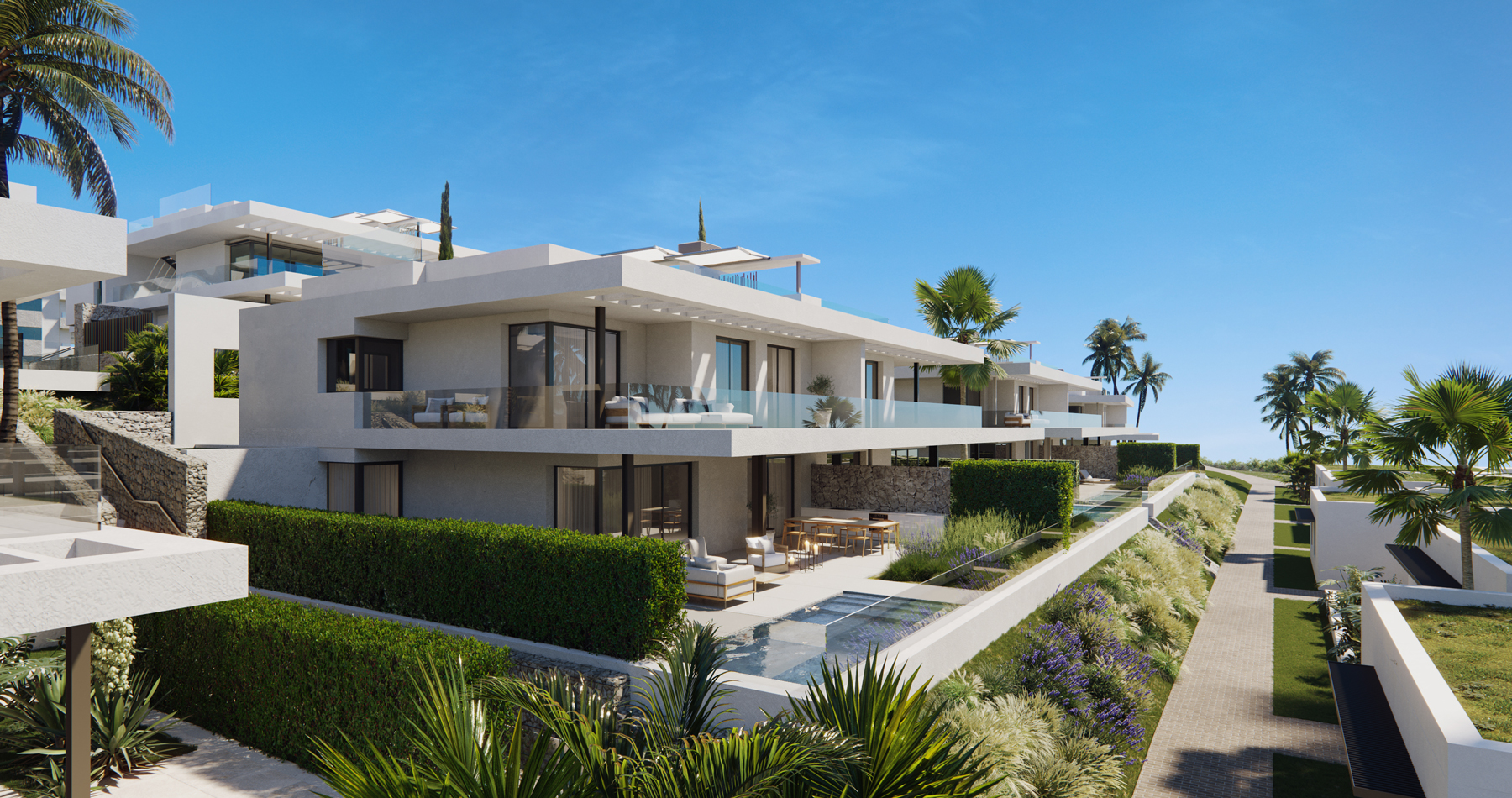
Plants visually soften the strict lines of architecture, add a sense of dynamism, and set the mood. In interiors, they set the tone – light, calm, or more expressive. In exterior renderings, greenery defines the character of the environment: from Mediterranean to Scandinavian. The realism of nature immediately elevates the quality of the work, while its absence or poor quality, on the contrary, devalues even well-thought-out concepts.
What Does “Realistic Vegetation” Mean in 3D
In the digital realm, nature is created literally from scratch. To make a plant look lifelike, the artist takes into account the shape of the leaves, the volume of the canopy, color nuances, and even imperfections – dry edges, slight bends, and random shadows. It’s also important how the foliage reacts to light: whether it’s glossy or matte, how much sunlight it lets through, and how its color changes depending on the lighting.
Realism is also influenced by small details: the variety of ground textures, the natural disorder in the arrangement of leaves or branches, and the variation in shades within a single plant. It is these details that create the effect of “realism.”
How to work with textures of natural materials
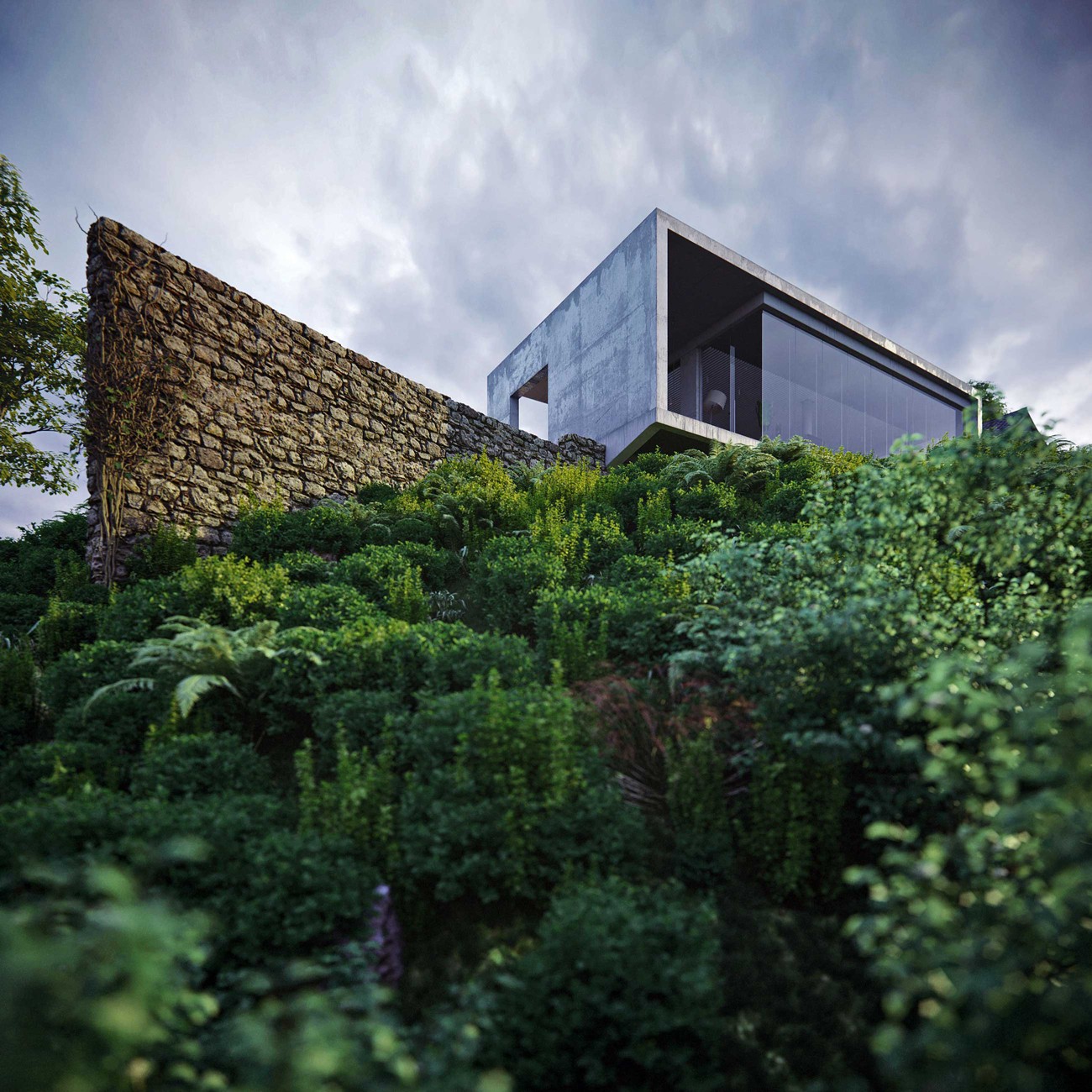
Soil, tree bark, stone, water – each material has its own characteristics. To recreate them, artists collect references, sometimes photographing surfaces in real-world environments, and then recreate them digitally. For example, wet sand differs from dry sand not only in color but also in sheen, density, and texture. Stone can be rough or smooth, and tree bark can have hundreds of micro-reliefs.
It’s not just a matter of “downloading an image” – textures are created from several layers that determine color, relief, roughness, and interaction with light. It is the combination of these layers that provides depth and realism.
Living Nature in Interaction with Space
Well-designed vegetation should coexist harmoniously with architecture. To achieve this, the right plant species are selected – those native to a specific climate zone or suited to the project’s style. It is also important to consider scale – plants that are too small or too large can disrupt the composition and distort the perception of the building.
Nature “behaves” differently depending on the scenario: in residential complexes, it creates a sense of comfort and care; in commercial projects, it enhances the premium feel; and in interiors, it provides emotional warmth.
How to achieve a balance between aesthetics and realism
The hardest part is finding the right balance. Excessively perfect greenery can look artificial, while overly detailed elements overload the scene and slow down performance. That’s why 3D artists carefully select a range of plant models, combine highly detailed elements with simpler ones, optimize textures, and control the number of objects in the frame. It is important to create an atmosphere where nature looks natural but does not “overpower” the architecture.
Modern tools allow for the extremely accurate reproduction of plants. Special software creates trees with thousands of leaves, automatically simulates natural growth, and allows for the control of seasonal changes or leaf moisture. Renders feature dew, soft reflections, and wind effects—all elements that bring a space to life.
However, technology is just a tool. The true result depends on the artist’s attention to detail and their ability to convey a sense of naturalness.
Realistic natural elements are not just “pretty greenery.” They are emotion, atmosphere, and the key to a compelling visual narrative. High-quality renderings of plants, soil, or rock bring a 3D scene closer to the real world, making its perception intuitive and pleasant. That is why nature in 3D is one of the most important components capable of transforming a visualization into a vivid, immersive, and emotionally rich experience.

Get in Touch
Drop us a line or give us a ring. We love to hear from you!