3D as a Language of Communication Between the Architect, the Client, and the Investor
Every architectural project is a dialogue. The architect speaks the language of forms and space, the client speaks the language of expectations and comfort, and the investor speaks the language of numbers and potential. The problem is that these languages rarely align. That is why 3D visualization today is becoming not just a presentation tool, but a universal communication system that allows all parties to see the same result even before construction begins.
When an idea needs translation
Architectural drawings are precise and professional, but for someone without specialized training, they often remain abstract. Lines, scales, cross-sections – all of this requires spatial imagination. As a result, a client may interpret the project differently than the architect intended, while an investor may fail to see the project’s full potential.
3D visualization acts as a translator. It transforms technical documentation into a clear, three-dimensional, and emotionally evocative image. Space ceases to be a diagram – it becomes an environment.
Architect: Preserving the Depth of the Concept
It is important for an architect that the idea is not oversimplified during a presentation. The rhythm of the facade, the interplay of volumes, and the play of light throughout the day – these are nuances that are difficult to explain in words.
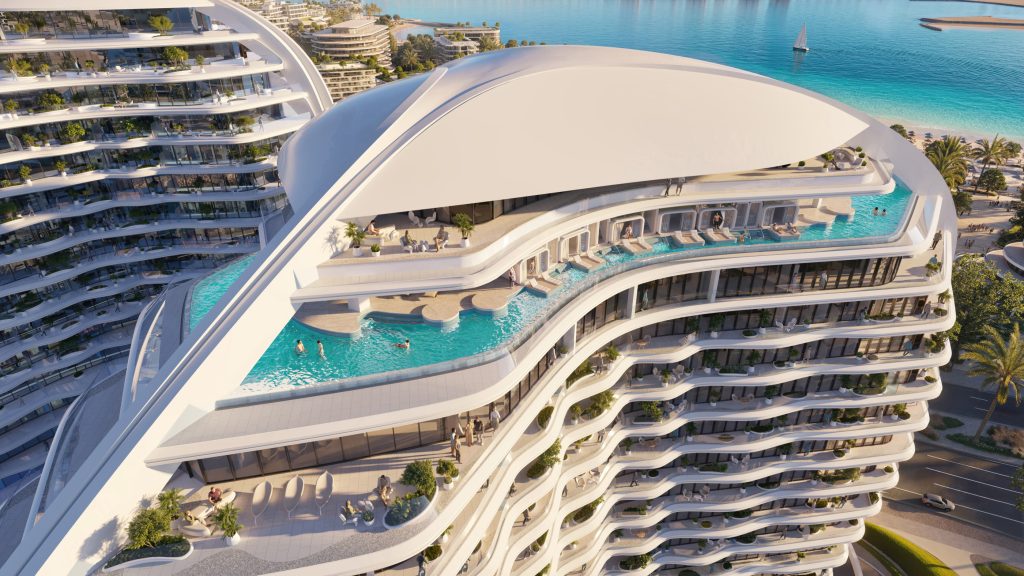
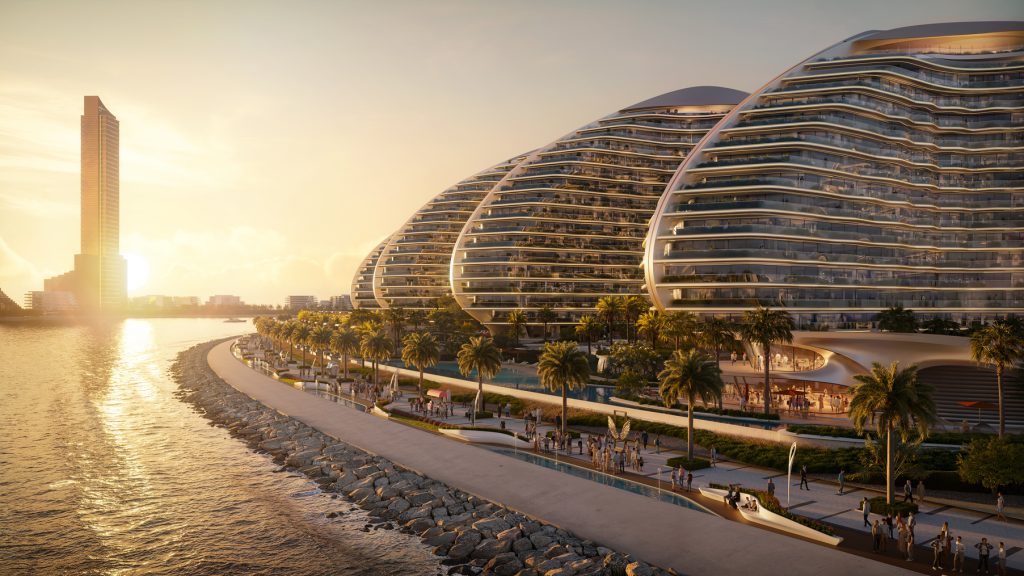
High-quality 3D visualization allows us to convey not only the form but also the atmosphere. It emphasizes materiality, demonstrates scale within the surrounding context, and enables us to test design solutions even before the construction phase begins. In this sense, 3D becomes an extension of the architectural vision, rather than a separate stage in image production.
Client: Seeing the Future Before It Happens
Clients make decisions based not only on logic but also on intuition. It’s important for them to understand what the space will be like in real life: is there enough light, are the proportions comfortable, and does the atmosphere meet their expectations?
3D creates predictability. When a person sees the future interior or exterior in detail, their level of trust in the project increases. Doubts diminish, and with them, the number of revisions that often arise due to differing visions of the final result.
Investor: Assessing Potential Without Unnecessary Risks
An investor takes a strategic view of a project. They are interested not only in aesthetics, but also in competitiveness, positioning, and the potential for effective marketing. But even financial decisions depend on how compelling the final product looks.
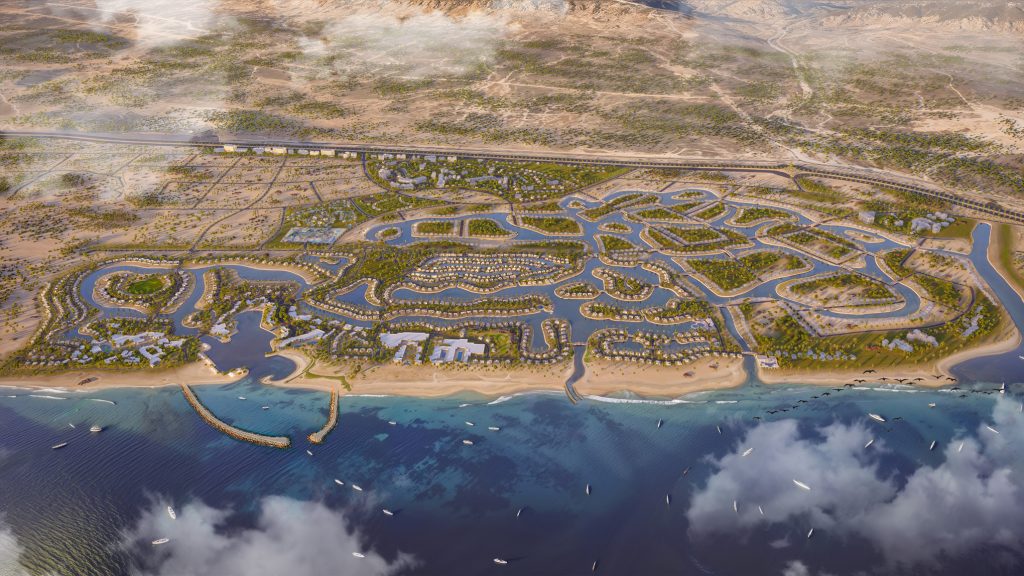
3D visualization allows you to see the property as a finished asset. It helps assess the project’s caliber, its appeal to the target audience, and its alignment with market expectations. The clearer the investor’s understanding of exactly what will be delivered, the more confidently they make decisions.
Aligning Expectations
The main value of 3D lies in its ability to bring together different perspectives into a single, cohesive picture. When the architect, client, and investor all see the same result, the process moves faster. Approval times are shortened, the likelihood of misunderstandings is reduced, and changes during the construction phase are minimized.
In large-scale development projects, this translates to resource savings and reduced risks. In smaller projects, it leads to a more predictable outcome and greater trust in the team.
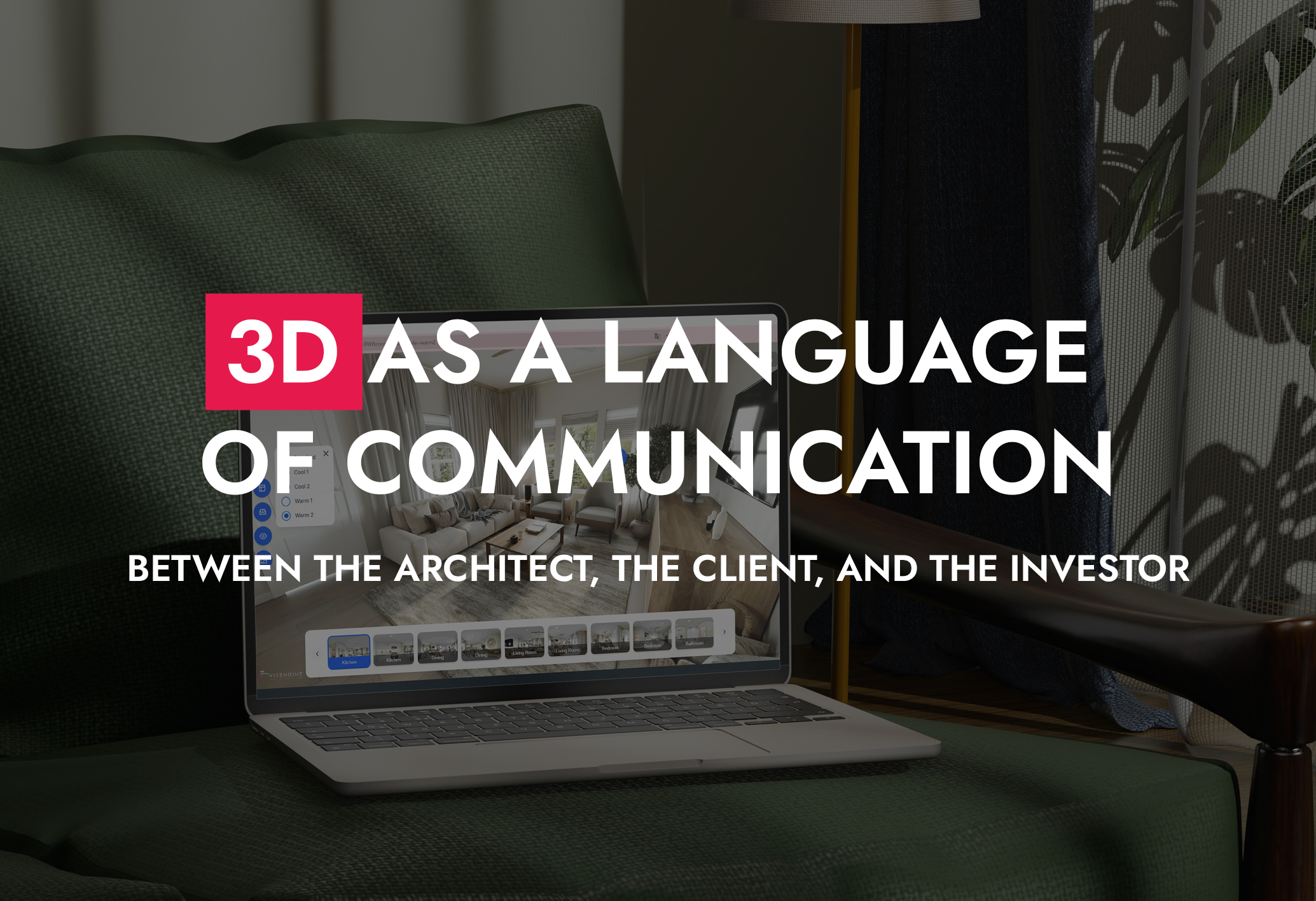
Modern 3D tools have long since gone beyond static images. Interactive tours, a variety of materials, and the ability to explore a space in different scenarios make communication even more precise. You can not only see a project but also literally “experience” it before it’s realized.
That is why 3D today is not just an additional visual element, but a strategic tool for managing expectations.

3D visualization is a common language that brings together the architect’s creativity, the client’s emotions, and the investor’s pragmatism. It bridges the gap between concept and execution, making the process transparent and understandable for all stakeholders.
When all parties share a clear, unified vision of the project, it moves forward with confidence – without unnecessary explanations, without unnecessary risks, and without compromising the essence of the concept.
Get in Touch
Drop us a line or give us a ring. We love to hear from you!