Common Mistakes in 3D Interior Visualization That Diminish the Value of the Design
3D interior visualization has one main goal – to highlight the value of the design. It should sell the idea, the atmosphere, and the lifestyle. But sometimes, instead of reinforcing the concept, the 3D visualization works against it: it oversimplifies the space, distorts materials, or devalues details that the designer has spent months perfecting.
In this article, we’ll examine common mistakes in interior 3D visualization that can diminish the project’s impact – and explain how to avoid them.
Interior 3D visualization is a client’s first encounter with their future space. It is what shapes expectations, emotions, and the sense of the project’s value. But even a strong design concept can lose its impact due to presentation errors. Let’s look at the most common flaws in 3D visualization that can diminish the perception of an interior and how to avoid them.
1. Unrealistic Lighting
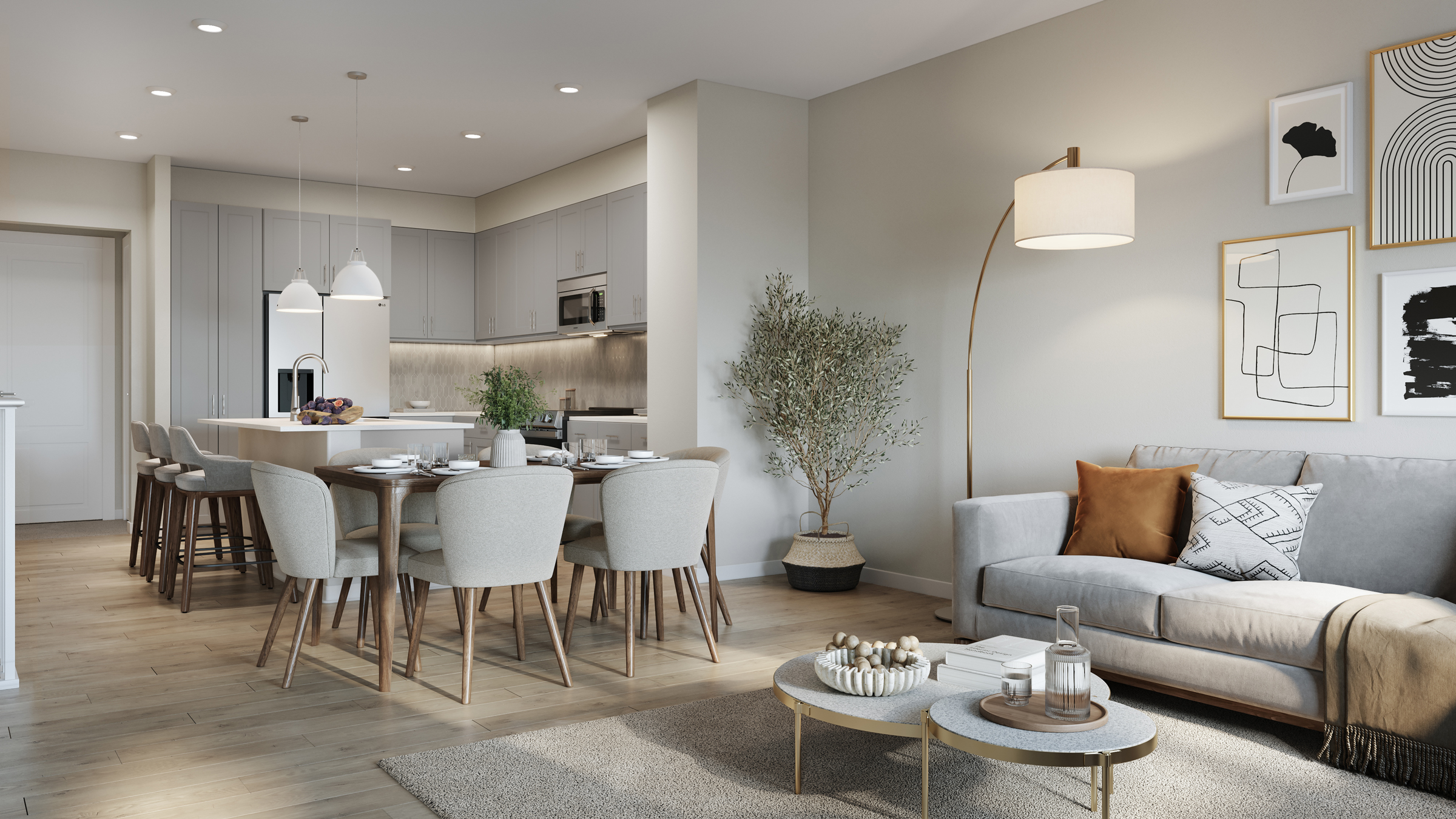
Lighting is half the interior design. It is what creates the depth, atmosphere, and mood of a space.
One of the most common mistakes is lighting that is too flat or “overlit.” If there are no shadows or if they are too soft, the space looks artificial. If, on the other hand, the lighting is too high-contrast, the interior becomes dramatic even where the concept called for lightness and tranquility.
High-quality 3D visualization takes into account:
- the room’s actual orientation
- light temperature
- the physical behavior of materials
- daytime and evening lighting scenarios
Light should not simply “illuminate” but reveal the designer’s vision.
2. Incorrect or Simplified Materials
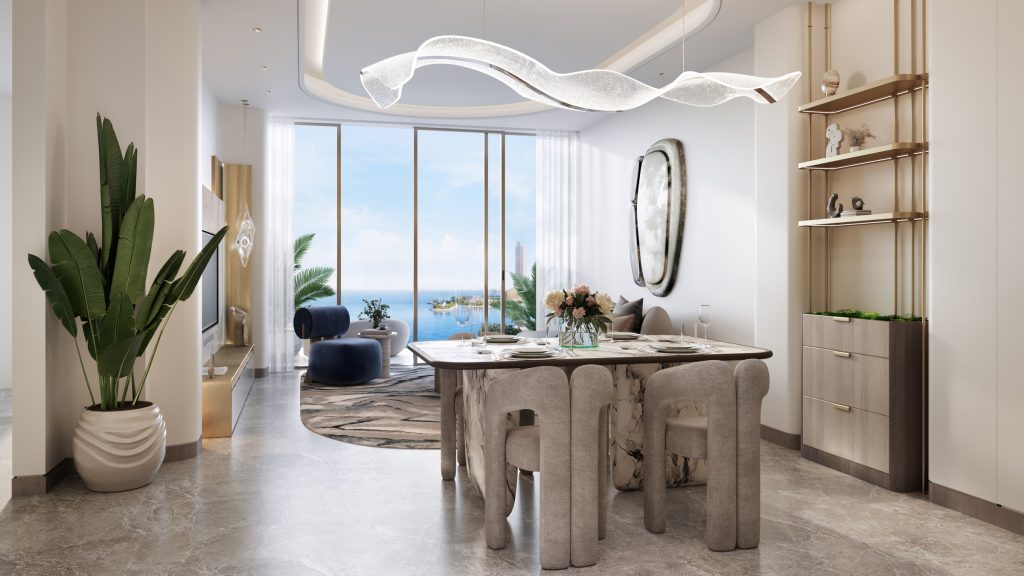
Expensive marble, natural wood, or textured textiles have complex structures in reality. If they appear in 3D as flat textures without depth, the sense of luxury is lost.
Common issues:
- lack of microtexture
- incorrect reflections
- surfaces that are too perfect, lacking natural nuances
- disproportionate texture scale
As a result, even a well-thought-out interior can look “cheap,” even though it isn’t in reality.
3. Incorrect Scale and Proportions
Sometimes the sofa seems too compact, the ceiling too low, and the space unnaturally wide.
Incorrect proportions in 3D arise due to:
- incorrect camera focal lengths
- excessive use of wide-angle perspective
- inaccurate model dimensions
Such errors subconsciously cause the viewer to feel a sense of distrust. A person may not always be able to explain exactly what is bothering them, but the feeling that “something is off” remains.
4. Overloading with Details
Sometimes the desire to make an image “come alive” leads to the opposite effect. Too many decorative elements, accessories, or random objects distract from the main focus – the architecture and the design concept.
Good visualization is about balance. It highlights the concept rather than competing with it.
5. Lack of Atmosphere
A technically correct image does not necessarily mean it is emotionally compelling. A space without a story feels sterile.
What creates atmosphere:
- well-thought-out lifestyle scenarios
- natural, subtle imperfections
- careful composition
- the right choice of angles.
An interior isn’t a furniture catalog – it’s a living environment. If a visualization fails to convey this, it isn’t fulfilling its purpose.
6. Mismatch with the Brand’s Style
This is particularly critical for commercial spaces, hotels, and real estate development projects. If the style of the visualization does not align with the brand’s positioning, a disconnect arises.
A premium property presented in a “mass-market” style loses part of its value even before sales begin.
7. Ignoring the technical logic of the space
Sometimes everything looks beautiful visually, but from a practical standpoint, it’s illogical:
- the light fixtures don’t provide enough light
- the walkways are too narrow
- the furniture is arranged in a non-functional way
Modern 3D visualization should be not only aesthetically pleasing but also realistic.
Why This Is Important for Business
3D interior visualization is a communication tool. It influences:
- the investor’s decision
- client trust
- the speed of project approval
- the final cost of the project
Errors in visualization can diminish the perceived value of even a strong design. In contrast, high-quality 3D content reinforces the concept, highlights details, and helps the client visualize the future space even before it is built.
3D visualization is not just a technical stage of the project. It is the language through which design communicates with the client.
When light, materials, scale, and atmosphere work together, visualization becomes not just an image, but a compelling argument. And that is where its true value lies.

Get in Touch
Drop us a line or give us a ring. We love to hear from you!